Starting with Design and Concluding in Upkeep: Uncover the Wide Range of Landscaping Options We Supply
Landscaping services involve a wide range of offerings, from preliminary design ideas to ongoing upkeep. Each step is vital in building and maintaining an external space that aligns with individual tastes and ecological factors. By grasping the procedure and alternatives at hand, homeowners can make informed decisions that enhance both visual appeal and practical use. What key elements should one take into account to guarantee a successful landscape transformation?
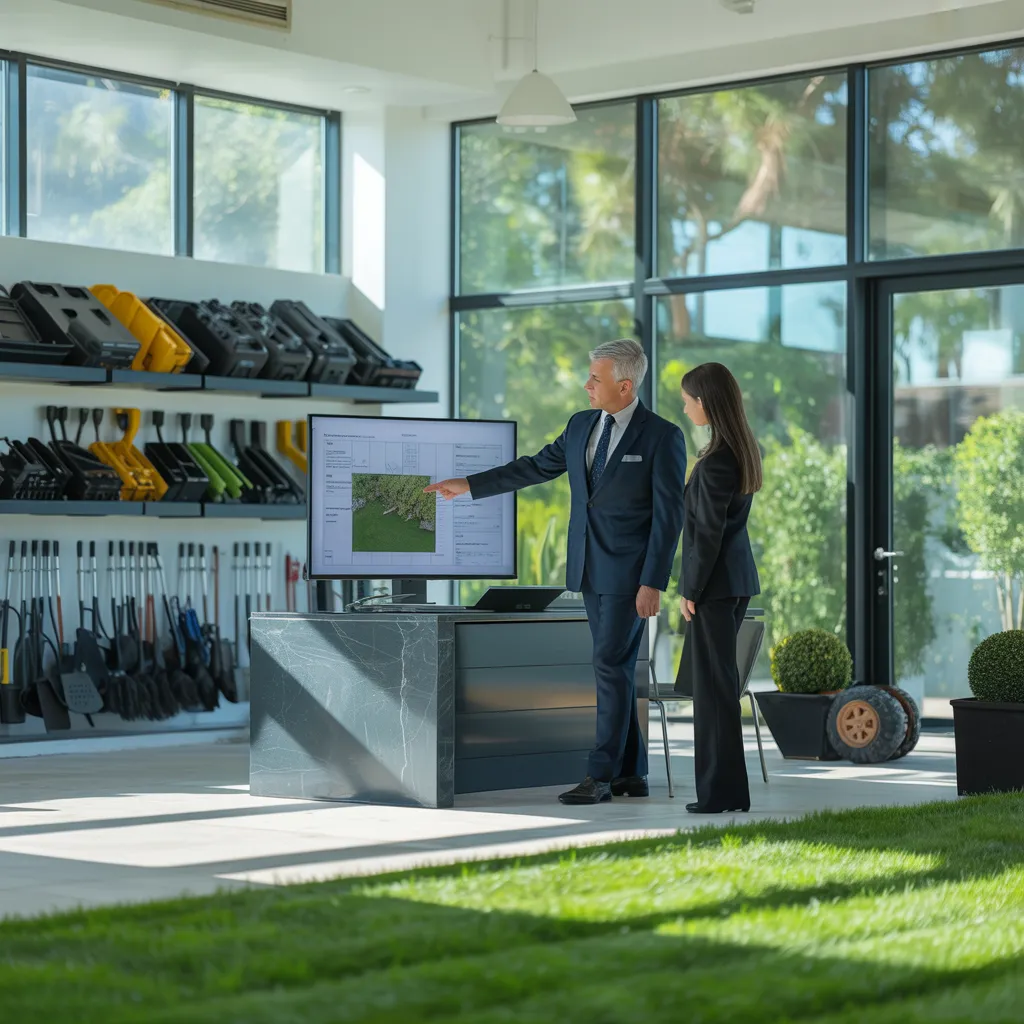
How to Establish Your Landscape Design Vision
Formulating a outdoor design vision is crucial for developing an yard area that represents personal style and fulfills practical needs. This undertaking commences by examining the present conditions, encompassing soil quality, sun availability, and seasonal factors. Comprehending these aspects facilitates selecting suitable plants and materials.
Next, individuals should reflect on their lifestyle and how they want to use the space. Whether for socializing, plant cultivation, or relaxation, these activities will determine design choices.
Visual direction can be taken from multiple fountains, such as magazines, online platforms, or nature itself. Building a mood board can assist with clarifying your preferences.
Finally, establishing a budget is crucial, as it influences choice of plants, hardscaping options, and general design intricacy. Through synthesizing these elements, individuals can develop a clear landscaping vision that harmonizes aesthetic appeal with practicality, enabling a successful outdoor transformation.
Creating the Ideal Landscape Layout
Having a explicit landscaping vision established, the subsequent step comprises crafting the flawless landscape design. This undertaking requires a blend of creativity and practical considerations. Effective landscape design commences by examining the site's distinct characteristics, such as topography, soil type, and sunlight exposure. These factors guide the layout, guaranteeing the design betters the natural beauty of the environment.
A successful design blends diverse elements, including hardscaping features like patios and pathways, alongside soft landscaping components such as lawns and gardens. Thoughtful placement of these components creates a serene flow, moving visitors through the space. Additionally, attention to proportions and dimensions guarantees that each element enhances the others, avoiding oversaturation or inequality.
Ultimately, the design should embody the client's preferences while upholding efficiency. By systematically planning every detail, a outdoor arrangement can convert the external area into a breathtaking and inviting environment, available to be enjoyed year-round.
Choosing Plants That Grow Well in Your Climate
Identifying plants that succeed in a specific climate necessitates a thorough comprehension of temperature zones, which indicate which species can tolerate local temperatures. Additionally, emphasizing local vegetation can enhance natural equilibrium and resilience in the landscape. Timing considerations elements also play an essential function in ensuring long-term positive outcomes and health of the garden.
Learning About Cold Hardiness Zones
Grasping the concept of hardiness zones is essential for gardeners and landscapers endeavoring to nurture plants that will survive in their specific climate zones. These zones, established by the USDA, divide regions according to average minimum winter temperatures. By knowing the hardiness zone of a given location, gardeners can select plants that are most likely to withstand local environmental conditions. Each zone is marked with a number, with subcategories indicating small temperature differences. For example, a plant full details classified in Zone 5 may not do well in Zone 4, where winters are colder. Grasping these zones facilitates making informed decisions about plant selection, resulting in better landscapes and decreasing the chance of plant failure. This understanding finally helps build a more long-lasting and vibrant garden or landscape.
Native Plant Selection
While many cultivators may be tempted to choose unusual species for their landscapes, opting for indigenous plants often yields better results. Native plants are adapted to area-specific weather and ground, calling for less water and maintenance compared to non-native varieties. They provide essential habitats for local wildlife, advancing species richness and natural harmony. Selecting indigenous plants can also minimize pest issues, as these plants are naturally resistant to native pathogens. In addition, incorporating indigenous species enhances the aesthetic appeal of a landscape by reflecting the region's natural beauty. Gardeners are motivated to study the specific native plants suitable for their community, making certain a thriving garden that aligns with ecological conservation. Ultimately, indigenous species adoption builds a harmonious and resilient landscape.
Understanding seasonal cultivation requirements helps you succeed
In preparing a garden, gardeners must take into account the seasonal environmental changes that affect plant growth and health. Choosing plants that thrive in certain climate zones guarantees optimal growth and longevity. For example, in the warmer regions, drought-resistant plants are often preferred, while cooler climates benefit from hardy perennials that can withstand frost. Understanding local weather patterns, including rainfall and temperature changes, assists in choosing the right species. Additionally, seasonal changes govern the best planting times; spring suits many annuals, whereas fall is ideal for some perennials. By aligning plant selection with local climate circumstances, gardeners can create fresh, sustainable landscapes that grow through all seasons, reducing maintenance efforts and enhancing the overall attractiveness of the garden.
Construct Your Ideal Outdoor Living Oasis
Constructing a magnificent outdoor living space encompasses careful consideration of tailored design solutions that mirror unique tastes. Functional outdoor features, like seating areas and cooking spaces, enhance practicality while complementing the visual appeal. In combination, these pieces convert a landscape into a distinctive haven.
Customized Visual Resolutions
Tailored creative solutions give homeowners the opportunity to remodel their outdoor spaces into personalized retreats. By considering individual preferences, lifestyles, and environmental factors, landscaping professionals produce unique designs that represent the homeowner's vision. These solutions cover various elements, such as plant selection, hardscaping, and layout adjustments, guaranteeing that each outdoor space is both aesthetically pleasing and functional. Through collaboration with clients, designers incorporate specific themes, colors, and materials, boosting the overall appeal. The goal is to form harmonious environments that blend naturally with the home while satisfying the homeowner's practical needs. Ultimately, tailored design solutions not only enhance the beauty of outdoor areas but also cultivate a sense of connection with nature, enriching everyday experiences.
Outdoor Features That Function Well
Essential outdoor components hold a important role in elevating the usability and enjoyment of outdoor living spaces. These aspects, such as patios, decks, and outdoor kitchens, form inviting areas for leisure and socializing. Integrating features like fire pits and water elements can offer both aesthetic appeal and beneficial returns, enabling homeowners to savor their yards throughout the year. Moreover, aptly positioned seating and dining areas promote social interaction, while pathways and lighting strengthen accessibility and protection. Environmentally conscious options, like rain gardens and permeable paving, advance environmental conditions. Ultimately, essential outdoor components reshape a yard into a versatile space that satisfies diverse demands, supporting homeowners to enhance their outdoor experience while fostering a serene balance between nature and design.
How Can You Transform Your Landscaping Into a More Sustainable Area?
How can residents redesign their outdoor spaces into sustainable landscapes? One practical approach is to include native plants, which demand less water and upkeep while assisting local wildlife. Using drought-resistant species can greatly lower water consumption, making landscapes more environmentally sustainable.
Another option involves implementing rain gardens to manage stormwater discharge competently, facilitating rainwater to seep into the ground rather than contributing pollution. Homeowners can also choose sustainably-sourced fertilizer products and pest management techniques methods to curtail chemical usage, advancing a healthier ecosystem.
Applying permeable paving materials to walkways and parking areas enhances water infiltration, reducing land degradation and excess water. Additionally, deploying composting units stimulates material recycling and improves soil health.
Critical Continuous Landscape Care
What essential activities promise a landscape persists as vibrant and healthy throughout the year? Year-round landscape maintenance incorporates a selection of important activities that foster superior advancement and charm. Regular trimming makes certain that grass remains healthy and at an suitable height, while seasonal fertilization furnishes vital nutrients. Pruning shrubs and trees not only sustains their shape but also encourages sound growth and reduces the risk of disease.
Weeding is another critical task, as it avoids rivalry for resources among plants. Mulching aids in preserving soil moisture and suppresses weed growth, elevating the overall appearance of garden beds. Also, seasonal examinations of irrigation systems assure efficient water use, preventing waste and encouraging sustainability.
Transforming Your Space: Stunning Before and After
A properly groomed landscape builds the base for transformational changes that can uplift any outdoor area. Landscaping services are experts in revitalizing settings, demonstrating striking before-and-after transformations that inspire awe. These projects typically begin with a careful assessment of the current landscape, identifying areas for improvement, such as excessive vegetation, aged paths, or low visibility.
Once the design is completed, skilled professionals implement enhancements that may contain new plantings, ornamental elements, and practical structures like patios or outdoor kitchens. The outcomes can be striking: empty yards can transform into lush gardens, while dull pathways can be converted into inviting walkways.
Photographs capturing these shifts demonstrate the proficiency of professional landscaping. The notable contrast between the original condition and the completed design underscores not only visual charm but also the increased value of the property. Ultimately, a stunningly redesigned landscape can produce a inviting space, enriching the complete enjoyment of outdoor living.

Common Questions Raised
What Is the Average Fee for Landscaping Services?
The average cost of landscaping services typically ranges from $1,500 to $5,000, based on factors such as the size of the project, level of difficulty, and types of materials employed. Homeowners often find fluctuating costs based on market conditions
How much time Does a Landscaping Project Typically Require?
A landscaping project typically takes between one to four weeks, depending on elements like project size, complexity, weather conditions, and the specific services required. Proper planning can help streamline the timeline efficiently.
Do You Provide Seasonal Landscaping Solutions?
Indeed, seasonal landscaping services are available, encompassing spring clean-ups, summer maintenance, autumn leaf removal, and winter preparations. These solutions promise landscapes remain robust and attractive throughout the changing seasons, addressing specific seasonal needs competently.
Is It Possible to Maintain My Garden on My Own After Implementation?
Yes, maintaining a landscape on your own after installation is feasible. However, it necessitates understanding proper procedures, tools, and seasonal maintenance to guarantee the landscape continues to be vigorous and aesthetically pleasing over time.
Which Equipment Do You Utilize for Outdoor Design Projects?
Landscaping undertakings typically demand machinery such as lawnmowers, trimmers, blowers, shovels, rakes, and various power tools. Larger assignments may also utilize excavators and trucks for hauling materials, increasing efficiency and precision in the work.